
 English
 Spanish
 Polish
 German
 Arabic
 French
 Russian
Step-by-Step Guide: How to Hang a Bathroom Mirror with Precision
🛁 Step-by-Step Guide: How to Hang a Bathroom Mirror with Precision

Installing a bathroom mirror may seem like a small task, but doing it with precision can elevate your space's entire look and functionality. Whether you're upgrading to a new LED bathroom mirror or replacing an existing one, this guide will walk you through the complete process—perfect for DIY enthusiasts and professionals alike. With DAPAI Mirror's bathroom mirrors designed for easy installation, you’ll have a flawless setup in no time.
🧰 Tools and Materials You'll Need:
✔️ Measuring Tape
✔️ Pencil or Marker
✔️ Spirit Level (Bubble Level)
✔️ Mounting Hardware (wall anchors, screws)
✔️ Drill or Screwdriver
✔️ Stud Finder (optional, for heavier mirrors)
✔️ Mirror Clips or Mounting Brackets (if applicable)
📏 Step 1: Measure and Mark the Placement
Start by determining where you want to hang the mirror. Typically, mirrors are placed 6-8 inches above the bathroom vanity. Use a measuring tape and pencil to mark where the top and bottom edges will be. A spirit level will ensure the lines are straight and aligned.
🔨 Step 2: Prepare the Wall
If your mirror is heavy, it's crucial to locate studs in the wall using a stud finder for secure mounting. For lighter mirrors, wall anchors will suffice. Mark where your screws or brackets will be placed.
🪛 Step 3: Install Mounting Hardware
Drill holes for the wall anchors and insert them snugly. If using brackets, secure them according to the mirror's dimensions. Tighten screws firmly but avoid over-tightening to prevent wall damage.
🪞 Step 4: Mount the Mirror
Carefully align the mirror with the hardware or brackets. Gently place the mirror onto the mounts or clips. Double-check alignment with a level to ensure it is straight.
🔧 Step 5: Final Adjustments and Check
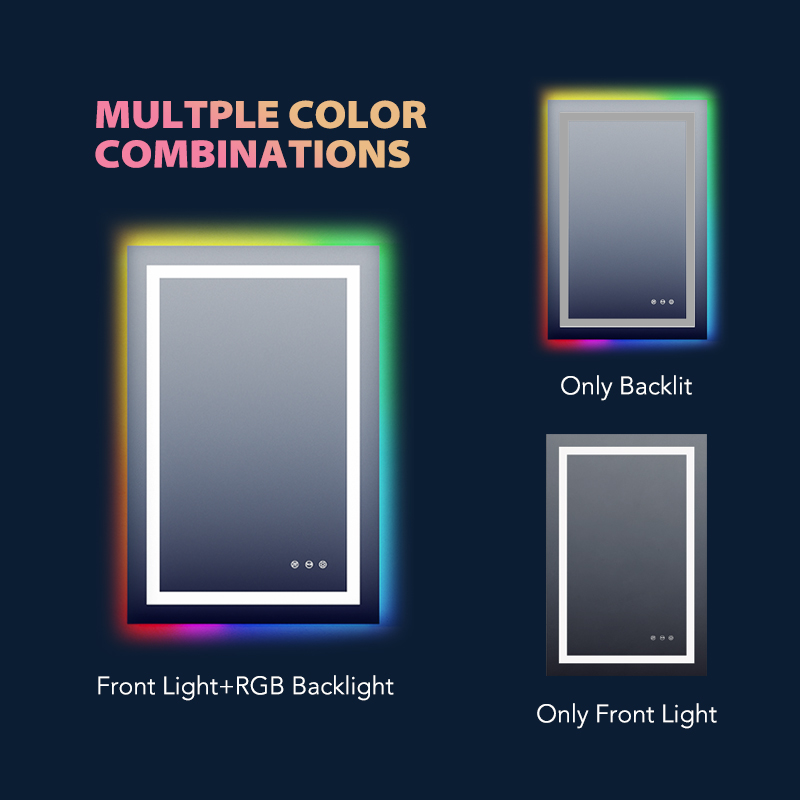
After hanging, take a step back and review the positioning. If your mirror has built-in LED lighting like DAPAI LED bathroom mirrors, check for proper cable alignment and power connection. Adjust any tilts or uneven spots as needed.
💡 Bonus Tips for a Professional Finish:
✨ Always use a level for accurate alignment.
✨ For large mirrors, ask someone to assist with positioning.
✨ Use anti-slip pads behind mirrors to prevent sliding or scratching.
✨ DAPAI Mirrors come with pre-designed mounting systems for effortless installation.
🚨 Troubleshooting Common Issues:
⚙️ Mirror tilts forward? Ensure the hardware is level and secured properly.
⚙️ Won’t stay attached? Consider using stronger anchors or finding studs.
⚙️ LED light flickering? Check the power connection and avoid overtightening around cables.
🌟 Why Choose DAPAI Mirror for Easy Installation?
At DAPAI Mirror, we specialize in wholesale LED bathroom mirrors designed for easy installation, perfect for homeowners, contractors, and retailers. Our mirrors include secure wall mounting kits, detailed instructions, and customizable options to suit every bathroom style.
❓ FAQs
Q1: How high should I hang a bathroom mirror above the vanity?
Generally, 6-8 inches above the vanity is recommended. Adjust based on mirror height and user preference.
Q2: Can I install DAPAI LED bathroom mirrors myself?
Yes! DAPAI mirrors are DIY-friendly and come with necessary mounting hardware for easy installation.
Q3: What if my mirror feels unstable?
Ensure you've used appropriate wall anchors and that the wall can support the mirror's weight. Contact DAPAI for installation guidance.
Q4: Do you offer customized bathroom mirrors?
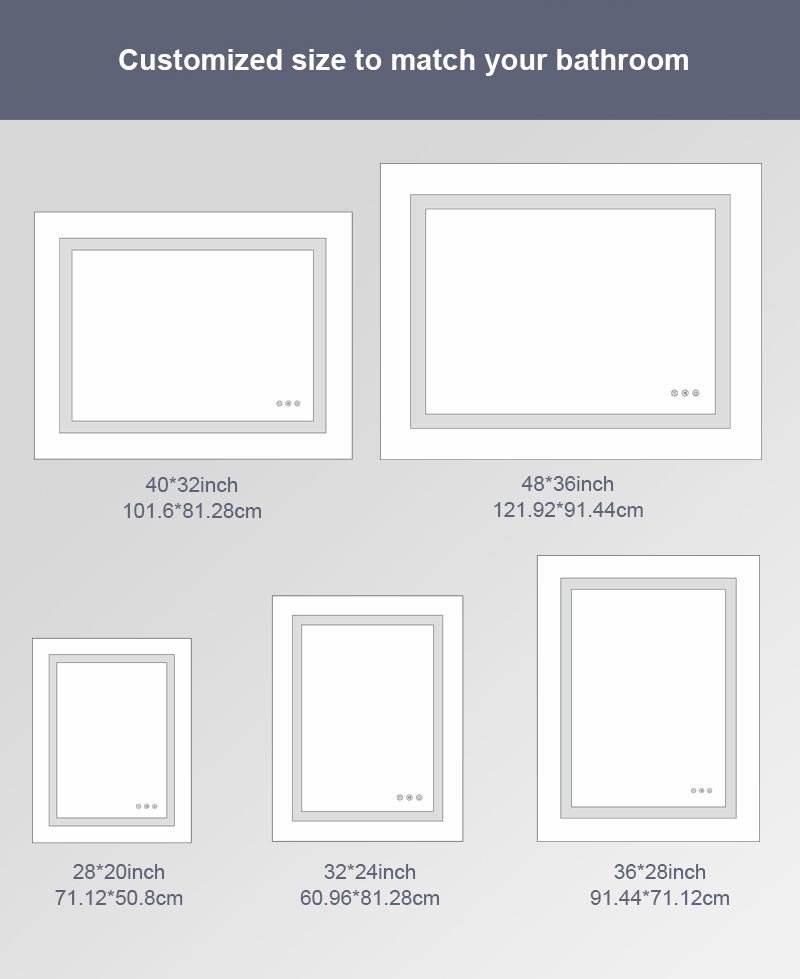
Absolutely! DAPAI offers customized LED bathroom mirrors for wholesale clients, including size, color, and logo personalization.
Recent Posts
-

- Engineering Specifications for Commercial Vanity Mirrors in Luxury Hotels: A Procurement Guide
Essential technical guide for procurement managers on commercial-grade vanity mirrors. Focus on modular design, thermal management, and durability standards.
09/28/2026
- Sourcing Premium Vanity Mirrors: A B2B Guide for Hospitality Procurement
A technical guide for procurement managers on selecting hospitality-grade LED mirrors. Focus on TCO, thermal management, UL compliance, and durability standards.
09/28/2026
- Commercial Mirror Standards: A Procurement Guide to Safety and Durability
Learn the critical engineering specifications for commercial vanity mirrors, covering glass thickness, safety backing (ANSI Z97.1), and IP-rated moisture protection.
09/28/2026
- Optimizing High-CRI LED Mirror Specifications for Commercial Beauty Studios
Optimize salon lighting with professional-grade high-CRI mirror specifications. Learn about TM-30-18, thermal management, and IEC 62471 compliance.
09/28/2026
- OEM vs. ODM: Strategic Procurement for Hospitality LED Mirror Projects
Compare OEM and ODM strategies for hospitality LED mirror projects. Learn how to manage supply chain risks, technical specs, and TCO for custom vanity mirrors.
09/28/2026
- Designing Professional Lighted Vanity Mirrors: Key Engineering Considerations
Learn the critical engineering specifications for commercial LED vanity mirrors to prevent failure in high-traffic hospitality and residential projects.
09/28/2026
- Engineering Precision: Articulated Makeup Mirror Hinge Torque and Validation Protocols
Technical guide on hinge torque specifications, fatigue testing, and quality control protocols for high-volume articulated makeup mirror assembly.
09/28/2026
- High-Volume Manufacturing Standards for Professional Makeup Mirrors: A Procurement Guide
A technical guide for procurement managers on scaling professional makeup mirror production, ensuring quality control, and managing supply chain risks.
09/28/2026
- Engineering Specifications and Manufacturing Standards for Multi-Panel Tri-Fold Vanity Mirrors
Learn the engineering standards for tri-fold vanity mirrors. Our guide covers hinge durability, assembly tolerances, and thermal management for B2B procurement.
09/28/2026
