
 English
  Spanish
  Polish
  German
  Arabic
  French
  Russian
 Do It Yourself: Creating Beautiful Bathroom Mirror Frames
Do It Yourself: Creating Beautiful Bathroom Mirror Frames
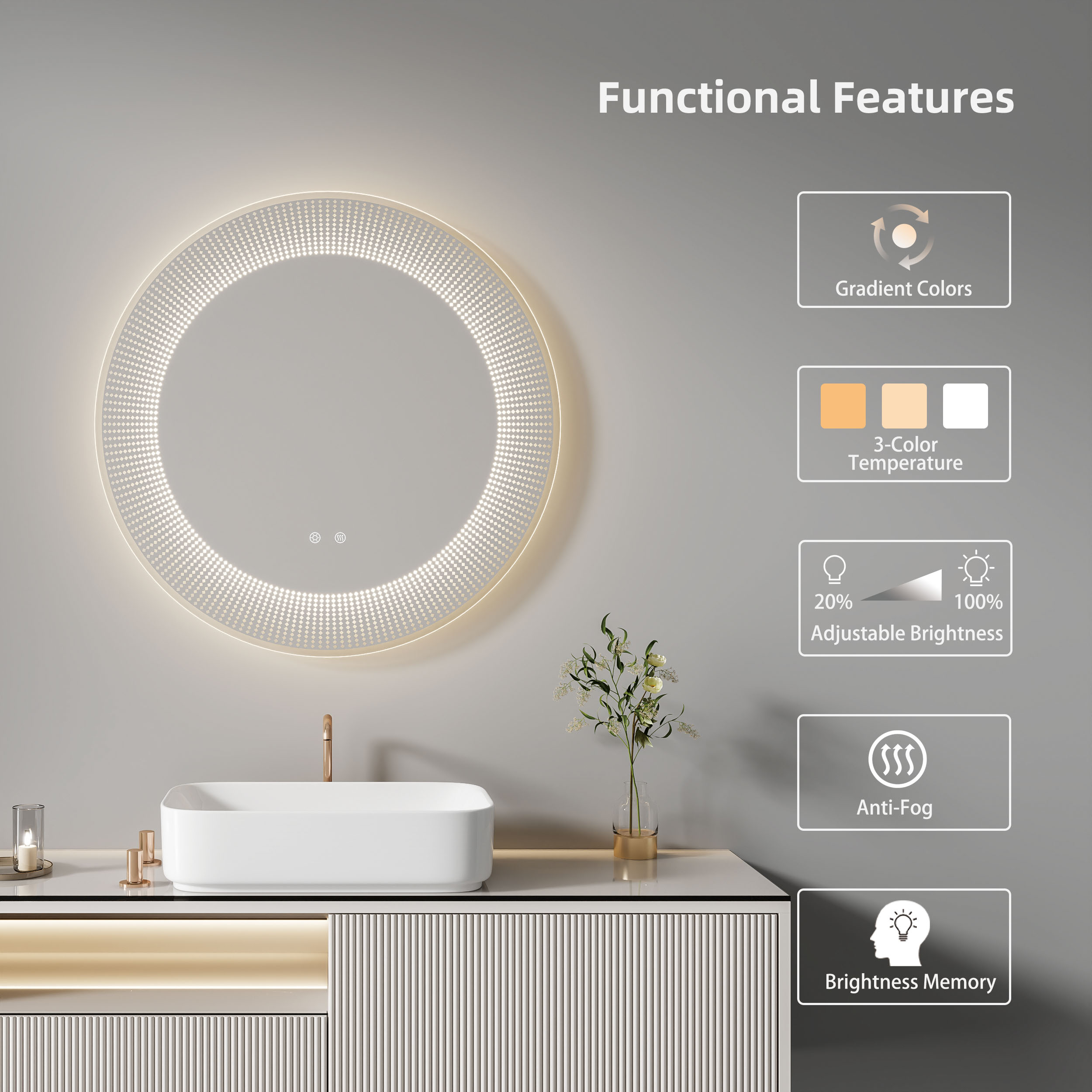
In today’s design-driven world, every detail in your home matters – especially in your bathroom. A well-framed mirror not only reflects your image but also elevates the overall aesthetic of your space. Whether you’re looking to add a touch of elegance to a modern bathroom or create a warm, inviting atmosphere in a traditional setting, creating your own bathroom mirror frame is a fantastic way to add personal flair and save money. This comprehensive DIY guide will walk you through the entire process, from selecting materials that match your style to applying the finishing touches for a secure, professional look.
Why DIY Bathroom Mirror Frames?
A bathroom mirror is more than just a tool—it’s a statement piece that can define the style and character of your space. By creating your own DIY bathroom mirror frame, you have the freedom to customize every detail. Not only does it provide a unique look tailored to your taste, but it also allows you to integrate functional elements such as LED lighting, adjustable designs, or even personalized engravings. DIY projects are also incredibly rewarding, giving you a sense of accomplishment every time you admire your handiwork.
Materials and Tools You Will Need
Before you begin, gather all necessary materials and tools. Your project’s success depends on using quality supplies that match your design vision. Here’s a list of what you might need:
Framing Material: Wood, metal, or plastic – choose the one that best fits your bathroom's style. Wood offers a classic look, while metal provides a sleek, modern feel.
Measuring Tape: For accurate measurements of your mirror and framing pieces.
Cutting Tools: A saw or appropriate cutting device for your chosen material.
Adhesive or Screws: Depending on your installation method, use wood glue, metal fasteners, or mirror clips to secure the frame.
Sandpaper: To smooth any rough edges and prepare the frame for finishing.
Paint or Stain: Optional finishing products to customize the look of your frame.
Mirror Clips or Brackets: For a secure installation, especially if you’re opting for a clip method.
Protective Gear: Safety glasses and gloves to protect yourself during the process.
Step-by-Step Guide to Framing Your Bathroom Mirror
Follow these detailed steps to create a custom frame for your bathroom mirror:
Measure the Mirror: Begin by measuring the dimensions of your mirror. Note the width and height carefully; these measurements will determine the size of your frame.
Select and Prepare Your Material: Choose your framing material (wood, metal, or plastic) based on your design preference. If using wood, cut the pieces to the required dimensions and sand them to remove any rough edges.
Plan Your Design: Sketch out your design, deciding whether you want a simple, minimalist frame or something more decorative. Consider adding elements like LED strips if you desire a lighted effect.
Cut and Assemble the Frame: Carefully cut the framing material to size. Assemble the frame around your mirror using adhesive, screws, or mirror clips. Ensure that the frame fits snugly and securely around the mirror.
Secure the Frame: If you’re using mirror clips, attach them evenly along the edges of the frame to hold it firmly in place. For a more permanent installation, use screws or strong adhesive to fix the frame to the mirror.
Finishing Touches: Once the frame is assembled, apply your chosen finish (paint or stain) to match your bathroom décor. Allow adequate drying time and then perform any necessary touch-ups.
Installation: Finally, install the framed mirror on your wall or vanity. Use a level to ensure that it is perfectly aligned. If mounting on the wall, use proper wall anchors to guarantee stability.
Tips for a Professional-Looking DIY Mirror Frame
To achieve a polished finish, consider these expert tips:
Measure Twice, Cut Once: Accuracy in measurements is key to a neat frame.
Use a Level: Ensure your mirror and frame are perfectly horizontal for a professional look.
Sand Thoroughly: Smooth all edges before finishing to avoid imperfections.
Choose Quality Materials: Investing in high-quality materials will pay off in durability and appearance.
Customize Your Design: Don’t be afraid to add personal touches such as custom logos, patterns, or color finishes that reflect your style.
Why DIY? The Benefits of Creating Your Own Bathroom Mirror Frame
Creating your own bathroom mirror frame offers numerous benefits beyond cost savings. It allows you to tailor the design precisely to your space and style, ensuring a unique and personalized look. The process is rewarding and provides the opportunity to develop new skills, whether you're a seasoned DIY enthusiast or a beginner exploring home improvement projects. A custom frame can transform an ordinary mirror into a stunning focal point that enhances your bathroom’s overall appeal.
The DAPAI Mirror Advantage
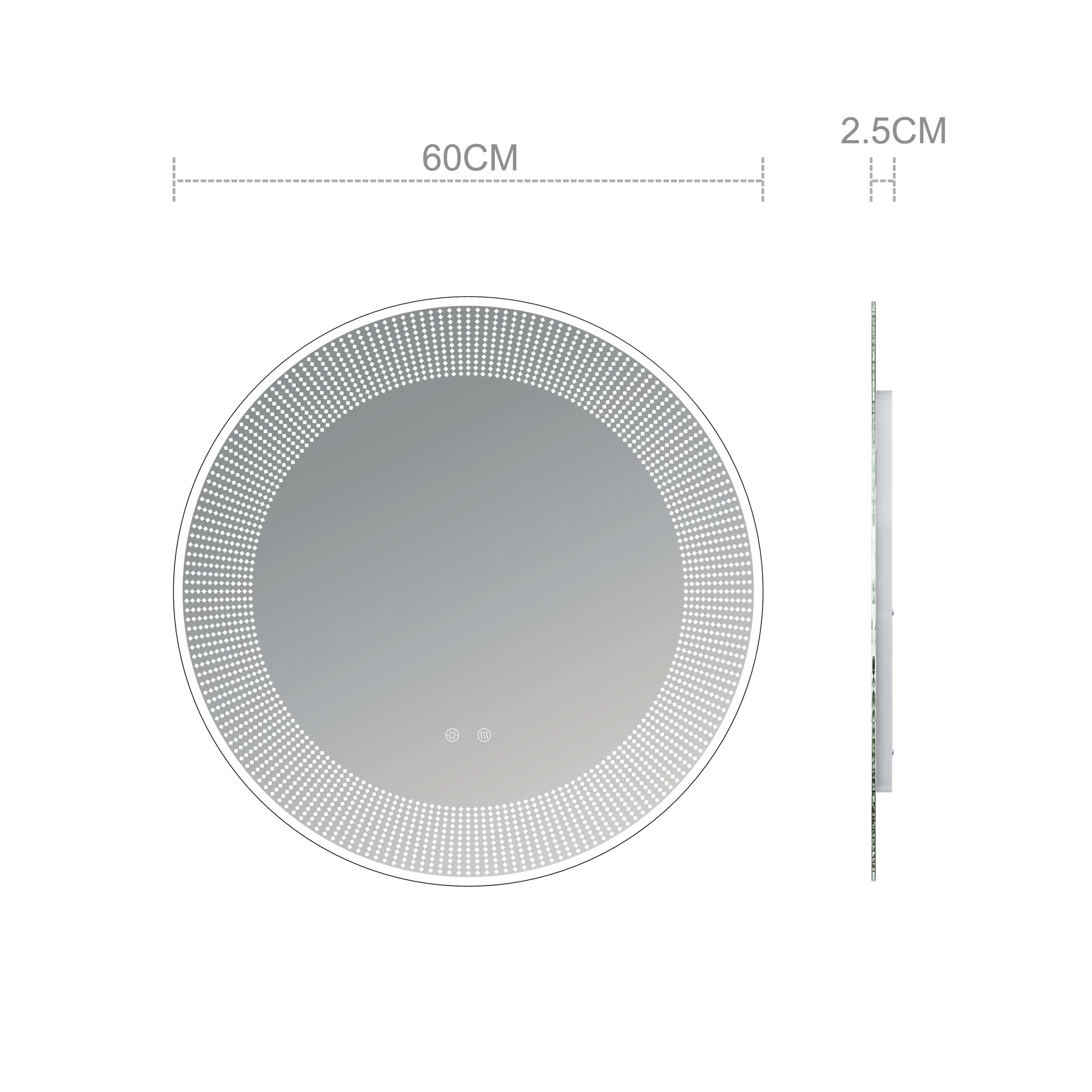
At DAPAI Mirror, we are not only experts in high-quality LED bathroom mirrors but also in creating custom, innovative designs that elevate your space. As a leading manufacturer, supplier, and factory of wholesale LED vanity mirrors, makeup mirrors, cosmetic mirrors, and table mirrors, we provide products that combine functionality with elegant design. Our commitment to quality ensures that whether you’re buying a ready-made mirror or framing your own, you are investing in a product that lasts and stands out.
Conclusion
Framing your bathroom mirror is a creative and satisfying DIY project that can completely transform your bathroom's look and feel. By following this guide, you can choose the right materials, execute the framing process with precision, and add personal touches that make your mirror uniquely yours. Whether you're updating an existing mirror or starting from scratch, a custom-framed mirror not only improves functionality but also adds a stylish accent to your bathroom décor.
Remember, a well-crafted mirror frame can make a significant difference in the overall aesthetic and practicality of your space. Embrace the DIY spirit and create a frame that reflects your personal style and enhances your beauty routine.
Visit DAPAI Mirror to Explore Our Premium LED Bathroom Mirrors
Q&A
Q1: What materials are best for a DIY bathroom mirror frame?
A1: Depending on your style, you can choose from wood for a classic look, metal for a modern edge, or high-quality plastic for a budget-friendly option.
Q2: Do I need any special tools to frame a bathroom mirror?
A2: Basic tools such as a measuring tape, saw (or cutting service), sandpaper, adhesive, and mirror clips or brackets are typically all you need to complete the project.
Q3: Can I customize my mirror frame design?
A3: Absolutely! Many DIY enthusiasts add personal touches like custom logos, unique patterns, or different finishes to create a frame that perfectly complements their bathroom décor.
Q4: Is framing my bathroom mirror a difficult DIY project?
A4: Not at all! With clear instructions and the right materials, framing your bathroom mirror can be a straightforward and highly rewarding DIY project.
Recent Posts
- Sourcing Custom OEM Square Lighted Makeup Mirrors: Frame Materials and LED CRI Standards
Learn to source commercial-grade square LED makeup mirrors. Expert guide on thermal management, CRI standards, and IEC 60598-1 compliance for B2B procurement.
07/28/2026
- Buying Guide: Specifying Wall-Mounted Square Lighted Makeup Mirrors for Commercial Projects
Essential technical guide for MEP engineers and procurement managers on specifying commercial-grade, IP-rated, ADA-compliant lighted mirrors for hospitality projects.
07/28/2026
- Engineering High-Performance Square LED Hotel Bathroom Mirrors for Commercial Hospitality
Learn how to source high-durability square LED hotel bathroom mirrors. Expert guide on IP44 ratings, field-replaceable drivers, and commercial compliance.
07/28/2026
- Square vs. Round Hospitality Mirrors: A Procurement Guide for Engineering Resilience
A procurement guide comparing square vs round hotel bathroom mirrors, focusing on manufacturing standards, installation logistics, and long-term durability.
07/28/2026
- Engineering High-Quality, Distortion-Free Wholesale Square Makeup Mirrors
Learn how to source distortion-free square makeup mirrors for hospitality projects. Expert guide on glass standards, flatness testing, and B2B quality control.
07/28/2026
- Bulk Sourcing Custom Desktop Makeup Mirrors: A Procurement Guide for Corporate Gifting
A comprehensive guide for procurement managers on bulk sourcing high-end custom desktop makeup mirrors, featuring quality control and shipping standards.
07/28/2026
- Why Cordless Rechargeable Makeup Mirrors are Transforming Hospitality Bathrooms
Optimize hospitality facility maintenance with cordless rechargeable makeup mirrors. Explore BMS, safety standards, and swivel arm durability for hotel retrofits.
07/28/2026
- The Procurement Manager’s Guide to Sourcing Bulk Lighted Rechargeable Makeup Mirrors
Learn to procure high-reliability rechargeable makeup mirrors for hospitality. Reduce TCO with insights on BMS, IP-rated sealing, and photometric standards.
07/28/2026
- Commercial LED Mirror Power Topology: Balancing Flexibility and Long-Term Maintenance
Compare commercial LED mirror power options. Evaluate battery vs. hardwired systems for hospitality projects, focusing on TCO, safety, and performance.
07/28/2026
- Integrated LED vs. Bulb Makeup Mirrors: A B2B Procurement Guide for Hospitality Specifiers
A technical guide for procurement managers comparing integrated LED mirrors versus traditional socketed bulb systems for high-turnover hospitality environments.
07/28/2026